Estrogen Receptor/ERR
Estrogen receptors are a group of proteins found inside cells. They are receptors that are activated by the hormone estrogen (17β-estradiol). Two classes of estrogen receptor exist: ER, which is a member of the nuclear hormone family of intracellular receptors, and GPER (GPR30), which is a member of the rhodopsin-like family of G protein-coupled receptors. The ER's helix 12 domain plays a crucial role in determining interactions with coactivators and corepressors and, therefore, the respective agonist or antagonist effect of the ligand. Different ligands may differ in their affinity for alpha and beta isoforms of the estrogen receptor: estradiol binds equally well to both receptors, estrone, and raloxifene bind preferentially to the alpha receptor, estriol, and genistein to the beta receptor. Estrogen and its receptors are essential for sexual development and reproductive function, but also play a role in other tissues such as bone. Estrogen receptors are also involved in pathological processes including breast cancer, endometrial cancer, and osteoporosis. Alternative promoter usage and alternative splicing result in dozens of transcript variants, but the full-length nature of many of these variants has not been determined.
Estrogen Receptor/ERR Isoform Specific Products
All Product Categories
-
Estrogen Receptor/ERR Inhibitors
(133)
View all products
-
Estrogen Receptor/ERR Agonists
(161)
View all products
-
Estrogen Receptor/ERR Antagonists
(107)
View all products
-
Estrogen Receptor/ERR Activators
(51)
View all products
-
Estrogen Receptor/ERR Modulators
(118)
View all products
-
Estrogen Receptor/ERR Chemicals
(2)
View all products
-
Estrogen Receptor/ERR Degraders
(73)
View all products
-
Estrogen Receptor/ERR Controls
(6)
View all products
-
Estrogen Receptor/ERR Ligands
(27)
View all products
-
Estrogen Receptor Proteins
(2)
View all products
-
ER-alpha Proteins
(1)
View all products
-
ER-beta Proteins
(1)
View all products
-
Estrogen Receptor/ERR Related Products (816)
Related Products (816)

-
Recombinant Proteins (2)
-
Antibodies (11)
-
Estrogen Receptor/ERR Isoform Comparison
-
ErSO-DFP
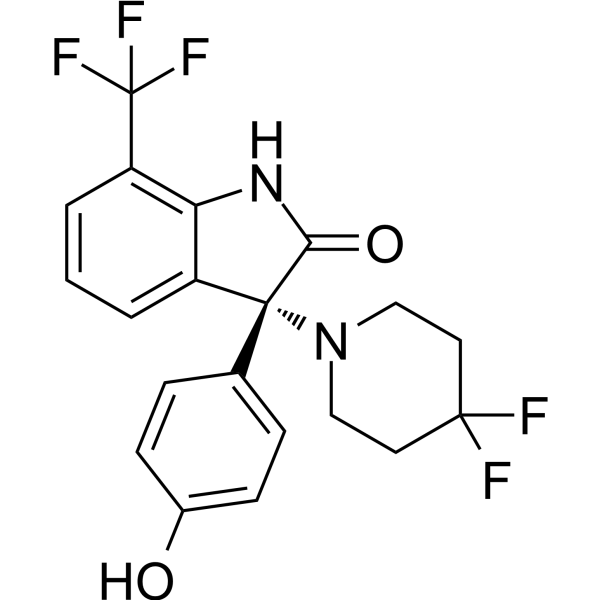 0 ImagesErSO-DFP is an anticipatory unfolded protein response (a-UPR) activator. ErSO-DFP has enhanced selectivity for estrogen receptor alpha-positive (ERα+) cancer cells with a wider selectivity window than ErSO (HY-132247). ErSO-DFP displays antitumor activity against MCF-7 in mice. ErSO-DFP can cross the blood brain barrier.
-
Bazedoxifene acetate-D
 0 ImagesSynonyms: TSE-424 acetate-DBazedoxifene (acetate)-D (TSE-424 (acetate)-D) is the D-crystal form compound of Bazedoxifene acetate (HY-A0036). Bazedoxifene acetate is an orally active, nonsteroidal selective estrogen receptor modulator (SERM), with IC50s of 23 nM and 99 nM for ERα and ERβ, respectively.
-
Fenhexamid
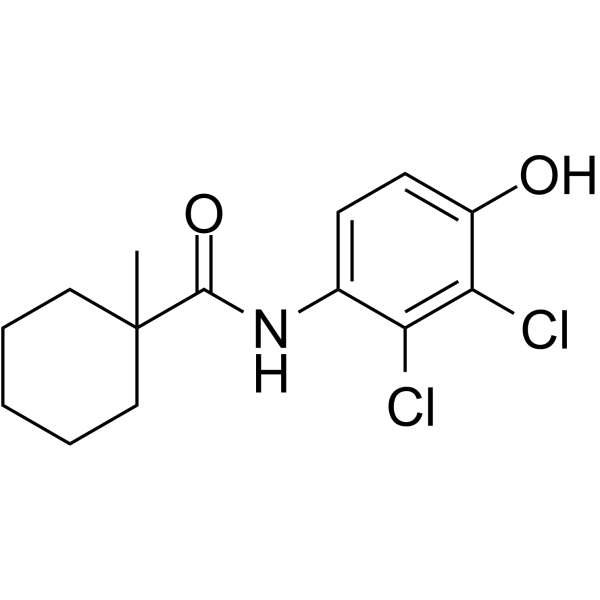 0 ImagesSynonyms: KBR 2738Fenhexamid, a botryticide, is a sterol biosynthesis inhibitor. Fenhexamid shows fungicide efficient against the plant pathogenic fungus Botryotinia fuckeliana (Botrytis cinerea).
-
Cholesterol-d6-1
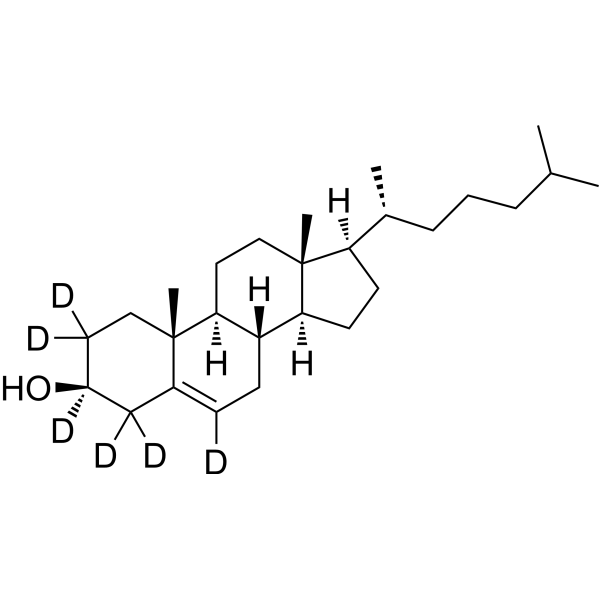 0 ImagesCholesterol-d6-1 is the deuterium labeled Cholesterol. Cholesterol is the major sterol in mammals. It is making up 20-25% of structural component of the plasma membrane. Plasma membranes are highly permeable to water but relatively impermeable to ions and protons. Cholesterol plays an important role in determining the fluidity and permeability characteristics of the membrane as well as the function of both the transporters and signaling proteins. Cholesterol is also an endogenous estrogen-related receptor α (ERRα) agonist.
-
Estrone-d4
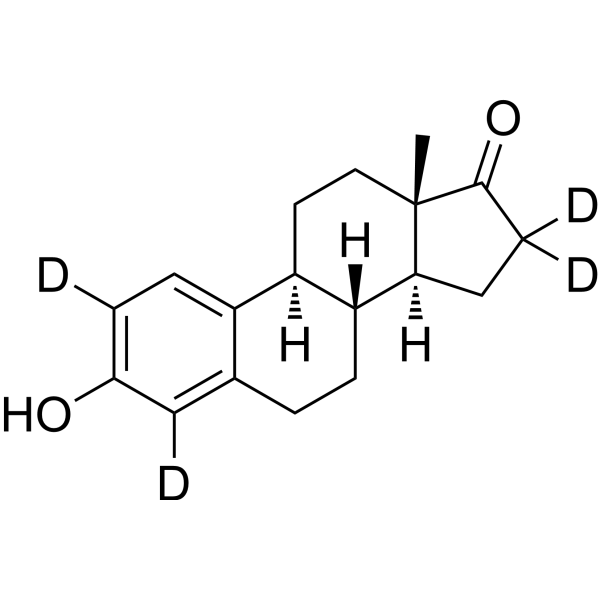 0 ImagesSynonyms: E1-d4; Oestrone-d4Estrone-d4 is the deuterium labeled Estrone. Estrone (E1) is a natural estrogenic hormone. Estrone is the main representative of the endogenous estrogens and is produced by several tissues, especially adipose tissue. Estrone is the result of the process of aromatization of androstenedione that occurs in fat cells.
-
Raloxifene hydrochloride (Standard)
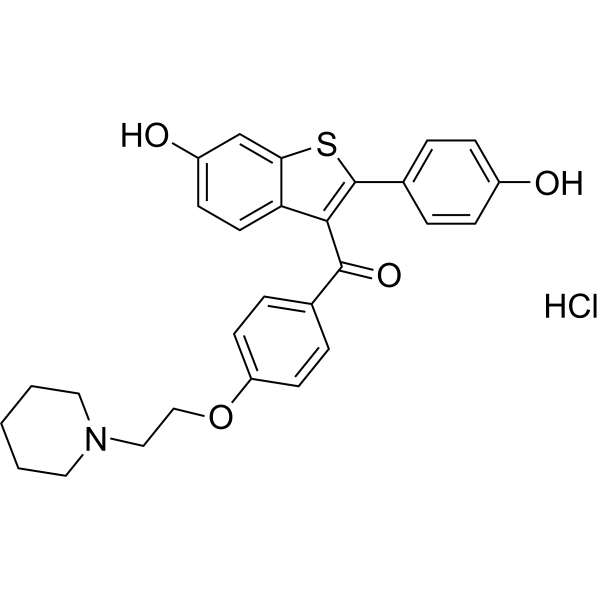 0 ImagesSynonyms: Keoxifene hydrochloride(Standard); LY156758(Standard); LY139481 hydrochloride (Standard)Raloxifene (hydrochloride) (Standard) is the analytical standard of Raloxifene (hydrochloride). This product is intended for research and analytical applications. Raloxifene hydrochloride (Keoxifene hydrochloride) is a second generation selective and orally active estrogen receptor modulator. Raloxifene hydrochloride produces estrogen-agonistic effects on bone and lipid metabolism and estrogen-antagonistic effects on uterine endometrium and breast tissue.
-
FLTX1
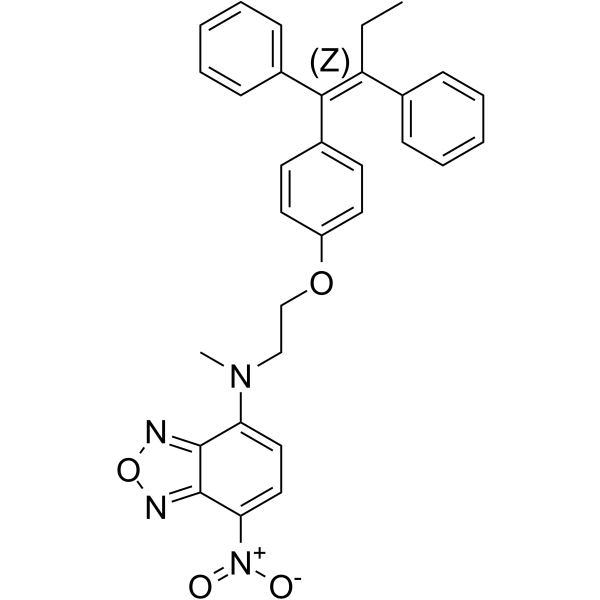 0 ImagesFLTX1 is a fluorescent Tamoxifen derivative that can specifically label intracellular Tamoxifen-binding sites (estrogen receptors) under permeabilized and non-permeabilized conditions. FLTX1 exhibits the potent antiestrogenic properties of Tamoxifen in breast cancer cells. FLTX1 is devoid of the estrogenic agonistic effect on the uterus.

-
DS20362725
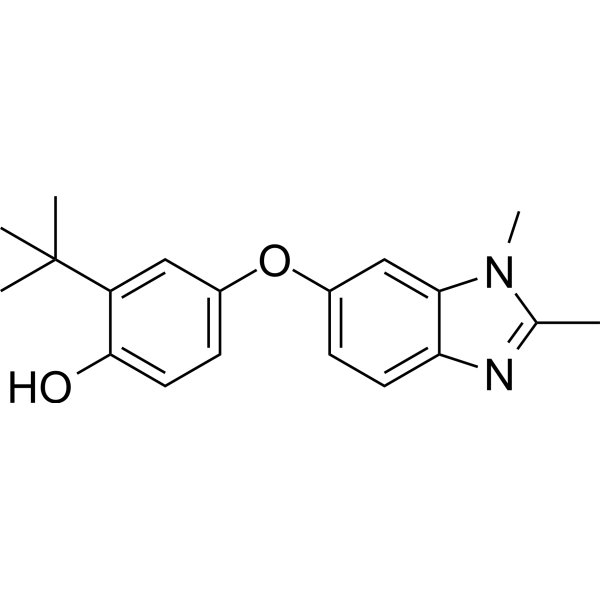 0 ImagesDS20362725 is an estrogen-related receptor α (ERRα) agonist. DS20362725 inhibits the binding between receptor-interacting protein 140 (RIP140) corepressor peptide (10 nM) and GST-ERRα ligand-binding domain (LBD; 1.2 μM) with an IC50 value of 0.6 μM. DS20362725 can be used for the research of metabolic disorders, including type 2 diabetes mellitus (T2DM).
-
GNE-149
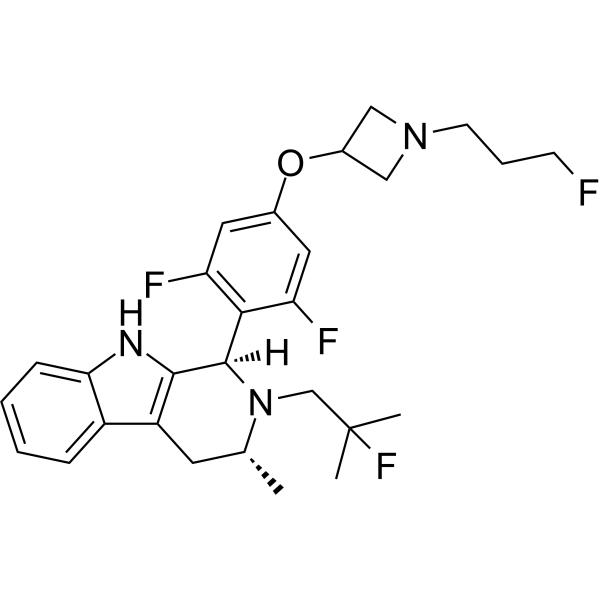 0 ImagesGNE-149 is an orally bioavailable full antagonist of estrogen receptor α (ERα; IC50=0.053 nM). GNE-149 is a selective estrogen receptor degrader (SERD). GNE-149 can be used for the research of breast cancer.
-
H3B-5942
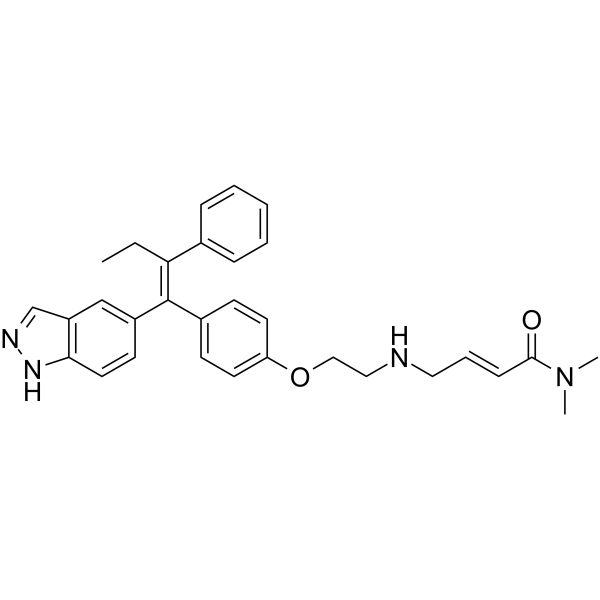 0 ImagesH3B-5942 is a selective, irreversible and orally active estrogen receptor covalent antagonist, inactivates both wild-type and mutant ERα by targeting Cys530, with Kis of 1 nM and 0.41 nM, respectively. H3B-5942 reduces ERα target gene GREB1, shows potent antitumor activity both in multiple cell lines or animals bearing ERαWT or ERα mutations.
-
Endoxifen (Z-isomer hydrochloride)
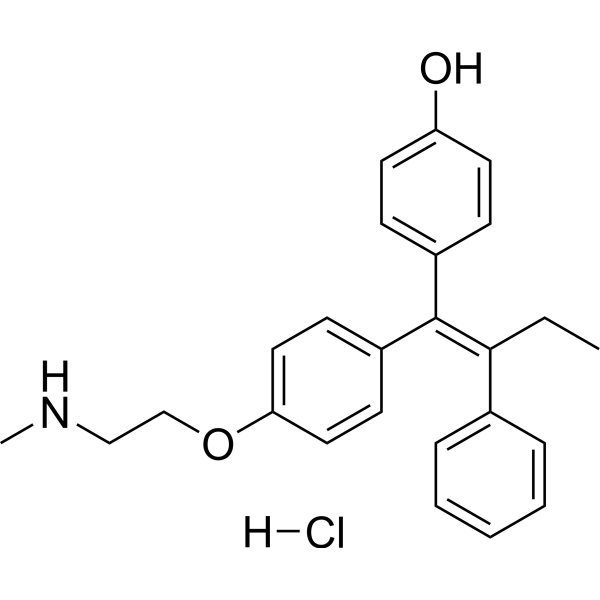 0 ImagesEndoxifen Z-isomer hydrochloride is an orally active selective PKCβ1 inhibitor with an IC50 of 360 nM against human PKCβ1. It also acts as an estrogen receptor modulator and antiestrogen. Endoxifen Z-isomer hydrochloride binds to and blocks ERα, ERβ and PKCβ1, inhibits estrogen and PI3K/AKT/mTORC1 signaling pathways, suppresses the expression of genes associated with cell cycle, cell proliferation and extracellular matrix remodeling, and induces apoptosis, reactive oxygen species (ROS) production and hypoxic features. Endoxifen Z-isomer hydrochloride inhibits tumor growth in breast tumor and glioblastoma models, reduces bone turnover and blood lipid levels, and does not require metabolism via CYP2D6. It can be used in research related to ER+ breast cancer, invasive breast cancer, glioblastoma multiforme, type I bipolar disorder, desmoid tumor, gynecological malignancies, melanoma and hormone receptor-positive solid tumors.
-
4-Hydroxyestrone
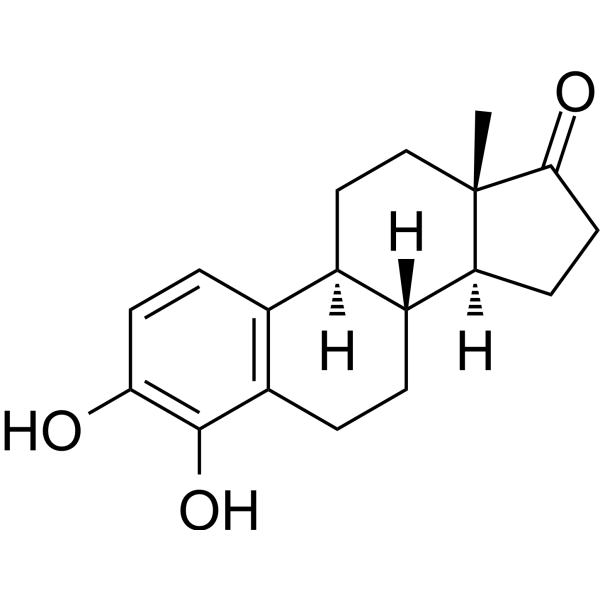 0 ImagesSynonyms: 4-OHE14-Hydroxyestrone (4-OHE1) is a brain-penetrant estrogen metabolite. 4-Hydroxyestrone shows neuroprotective effects involving increased cytoplasmic localization of p53 resulting from SIRT1-mediated p53 deacetylation. 4-Hydroxyestrone relies on PDI to mediate its protective effect against chemically induced ferroptosis in estrogen receptor-negative cancer cells. 4-Hydroxyestrone inhibits lipid peroxidation and lipid-ROS accumulation. 4-Hydroxyestrone blocks preovulatory luteinizing hormone surges in Rattus norvegicus. 4-Hydroxyestrone can be used for the researches of neurodegeneration, breast cancer and endocrine disease.
-
Droloxifene
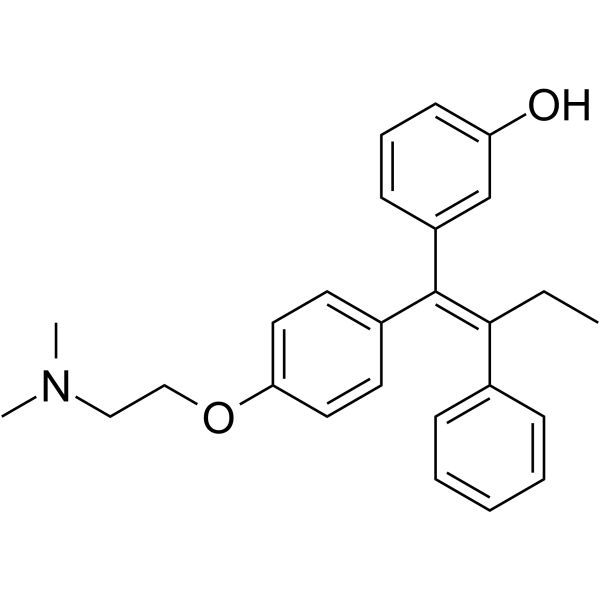 0 ImagesSynonyms: 3-HydroxytamoxifenDroloxifene, a Tamoxifen derivative, is an orally active and selective estrogen receptor modulator. Droloxifene shows antiestrogenic and anti-implantation effects. Droloxifene induces p53 expression and apoptosis in MCF-7 cells. Droloxifene prevents bone loss in ovariectomized rats .